Home  | About  |  Privacy Policy  |  Disclaimer  |  Contact  |  Site Map  |


How Do Foxes Get into Rabbit Hutches?


Rabbit owners often go to great lengths to ensure the safety and well-being of their furry companions. However, sometimes even the most well-prepared owners can fall short when it comes to protecting their rabbits from predators. One of the most common predators of rabbits are foxes, and they can be a real threat to the safety and security of rabbit hutches.

Foxes are known for their intelligence, adaptability, and cunning nature. These traits make them formidable predators, and they are skilled at finding their way into rabbit hutches. In this blog post, we will explore the ways in which foxes infiltrate rabbit hutches and provide practical tips and strategies to help rabbit owners protect their rabbits from these uninvited guests.

Understanding Fox Behavior

To understand how foxes get into rabbit hutches, it is essential to understand their natural behavior. Foxes are omnivores, meaning they eat both plant and animal matter. They are skilled hunters and will prey on small animals such as rabbits, rodents, and birds. Foxes are also opportunistic and will scavenge for food when necessary.

Foxes are adaptable creatures and can be found in a variety of habitats, including urban areas. They are active primarily at night and are known for their excellent vision, hearing, and sense of smell. Foxes are curious animals and will investigate anything they perceive as potential prey, including rabbit hutches.

Common Entry Points


Foxes are skilled at finding vulnerabilities in rabbit hutches and will exploit any weaknesses they find. The most common entry points for foxes to gain access to rabbit hutches are:

1. Holes in the fencing 

Even a small hole in the fencing around the rabbit hutch can be enough for a fox to squeeze through.

2. Weak doors 

Foxes can easily push open doors that are not secured properly, so it is important to use sturdy latches and locks.

3. Weak flooring 

Foxes can dig under the fencing and gain access to the rabbit hutch if the flooring is not secure. It is essential to use a wire mesh under the hutch to prevent foxes from digging underneath.

4. Overhanging branches 

Foxes can jump onto the roof of the rabbit hutch from overhanging branches. It is important to keep trees and shrubs trimmed to prevent this.

Strategies to Secure Rabbit Hutches


Protecting rabbit hutches from foxes requires a combination of strategies that reinforce the security of the hutch. The following are practical tips for securing rabbit hutches and keeping foxes out:

1. Use appropriate fencing materials and techniques 

The fencing around the rabbit hutch should be sturdy and durable, with no holes or gaps that foxes can exploit. A wire mesh fence buried at least a foot below ground level can prevent foxes from digging underneath.

2. Install secure latches and locks on doors 

The doors of the rabbit hutch should be secured with strong latches and locks that cannot be easily opened by foxes. It is important to check the locks regularly to ensure they are working correctly.

3. Implement dig-proof measures around the hutch 

The area around the rabbit hutch should be free from anything that foxes can use to dig under the fence. Covering the ground with rocks or paving stones can help prevent foxes from digging under the fencing.

4. Utilize predator deterrents such as motion-activated lights or alarms 

Motion-activated lights or alarms can startle foxes and deter them from approaching the rabbit hutch. It is important to test these deterrents regularly to ensure they are working correctly.

Natural Deterrents


In addition to physical barriers and predator deterrents, there are also natural methods to deter foxes from approaching rabbit hutches. These include:

1. Scent-based deterrents

Foxes have a strong sense of smell, and certain scents can deter them from approaching rabbit hutches. Some scents that are known to repel foxes include:

   a. Predator urine: Predator urine, such as that of coyotes or wolves, can create a sense of danger for foxes. This can be purchased from garden supply stores and strategically placed around the hutch perimeter.

   b. Strong-smelling plants: Certain plants have odors that foxes find unpleasant. Examples include marigolds, lavender, and garlic. Planting these around the rabbit hutch can help deter foxes.

   c. Ammonia-soaked rags: Placing ammonia-soaked rags or cotton balls around the hutch can create a scent that foxes find offensive. However, care should be taken not to place these directly inside the hutch, as ammonia fumes can be harmful to rabbits.

2. Clean and organized hutch environment

Foxes are attracted to areas where there may be potential food sources. Keeping the hutch and the surrounding area clean and free from food debris can help deter foxes. Regularly remove any uneaten food or spilled water, as well as secure any trash or compost bins that might attract foxes.

Human Presence and Supervision


Foxes are generally wary of human presence, especially if they are active during the night when humans are typically indoors. Regular human presence around the rabbit hutch can help deter foxes. Some ways to achieve this include:

1. Spending time near the hutch

Regularly spending time near the hutch, especially during dusk and dawn when foxes are more active, can discourage them from approaching.

2. Making noise 

Foxes are cautious animals, and sudden noises can startle them. Clapping hands, using a loud whistle, or playing a radio near the hutch can create a sense of human presence and deter foxes.

3. Supervising rabbits during vulnerable times

If rabbits are allowed to roam freely outside the hutch, it is important to supervise them closely, especially during dawn and dusk when foxes are most active. Keeping rabbits in a secure enclosure or using a playpen with a mesh top can provide additional protection.

Case Studies and Real-Life Experiences


Sharing real-life experiences and case studies from rabbit owners who have successfully protected their hutches from foxes can provide valuable insights and practical tips. Some examples include:

1. John's story

John, a rabbit owner, implemented a combination of strategies such as reinforcing the hutch with wire mesh, installing motion-activated lights, and using ammonia-soaked rags. He noticed a significant decrease in fox activity around his hutch and shared his success story.

2. Sarah's experience

Sarah's rabbit hutch had a weak door latch, which allowed a fox to gain access to her rabbits. After this incident, she reinforced the door and installed a motion-activated alarm system. Since then, she has not had any further issues with foxes.

These case studies can provide readers with practical insights, lessons learned, and inspiration to protect their own rabbit hutches from foxes.

Conclusion

Protecting rabbits from foxes is crucial for the safety and well-being of these beloved pets. Understanding fox behavior, identifying common entry points, and implementing strategies such as secure fencing, strong door latches, and dig-proof measures can significantly reduce the risk of fox intrusion. 

Additionally, natural deterrents and human presence around the hutch can further discourage foxes from approaching. By following these tips and learning from real-life experiences, rabbit owners can provide a secure and fox-free environment for their furry companions. Remember, prevention is key when it comes to keeping foxes out of rabbit hutches, ensuring the safety and happiness of our rabbits. 

By taking the time to fortify the hutch and implement effective deterrents, rabbit owners can create a secure space where their rabbits can thrive without the constant threat of fox intrusion.

In conclusion, foxes can pose a significant risk to the safety of rabbits in hutches. Understanding fox behavior and the common entry points they exploit is essential in developing effective strategies to prevent their access. 

By implementing measures such as secure fencing, sturdy door latches, dig-proof barriers, and utilizing natural deterrents, rabbit owners can greatly reduce the likelihood of foxes infiltrating their hutches. 

Additionally, the presence of humans and regular supervision can provide an added layer of protection. Remember, each hutch is unique, so it is important to assess vulnerabilities and tailor the protection measures accordingly.

Protecting rabbits from foxes requires proactive planning, regular maintenance, and a commitment to ensuring the safety and well-being of these beloved pets. By taking the necessary precautions, rabbit owners can create a secure environment where their furry friends can thrive, free from the threat of fox intrusion. 

So, let's stand up against uninvited guests and create a sanctuary where rabbits can happily hop, play, and live their lives to the fullest!
Read more ...

Benefits of using PVC for Rabbit Hutches


Rabbit hutches play a crucial role in providing a safe and comfortable living environment for rabbits. Choosing the right materials for constructing these hutches is essential to ensure the well-being and longevity of these furry companions. 

In recent years, PVC (Polyvinyl chloride) has gained popularity as a preferred material for rabbit hutches due to its numerous benefits. This article will explore the advantages of using PVC for rabbit hutches and shed light on why it is a practical and reliable choice for rabbit owners.

Understanding PVC

Before delving into the benefits of PVC for rabbit hutches, it is important to understand what PVC is and its properties. PVC is a synthetic plastic polymer made from the combination of vinyl chloride monomers. 

It is known for its durability, versatility, and affordability. PVC can be found in various forms, including pipes, sheets, and profiles, making it suitable for a wide range of applications, including construction and manufacturing.

One of the key advantages of PVC is its durability. PVC is a robust material that can withstand impact and resist degradation over time. It is resistant to rotting, corrosion, and pests, which are common issues faced by rabbit hutches made from other materials such as wood. PVC's durability ensures that the hutch remains intact and provides a secure living space for rabbits.

Furthermore, PVC is a flexible material that allows for easy manipulation and customization. It can be easily cut, shaped, and joined to create hutches of various sizes and configurations. This flexibility is beneficial for rabbit owners who may have specific space constraints or unique requirements for their hutches.

Benefits of PVC for Rabbit Hutches

a. Weather Resistance

One of the significant advantages of PVC for rabbit hutches is its excellent weather resistance. PVC is impervious to moisture, making it resistant to rain, snow, and humidity. Unlike wooden hutches that may swell or rot when exposed to moisture, PVC remains unaffected. 

This feature ensures that the hutch stays dry and comfortable, protecting rabbits from dampness-related health issues and extending the hutch's lifespan.

Additionally, PVC is highly resistant to UV radiation from sunlight. It does not fade, crack, or degrade when exposed to prolonged sunlight exposure. This is especially beneficial for rabbit hutches placed outdoors, as it ensures the hutch maintains its structural integrity and appearance over time.

b. Easy Maintenance

Maintaining a clean and hygienic living environment for rabbits is essential for their health and well-being. PVC simplifies the maintenance process for rabbit hutches. Unlike wood, which can absorb odors and stains, PVC has a non-porous surface that is resistant to these issues. 

It can be easily wiped clean with a damp cloth or washed with mild detergent, reducing the effort and time required for cleaning.

Moreover, PVC does not require regular sealing or painting like wood. It does not splinter or develop rough surfaces, eliminating the need for sanding or varnishing. The low-maintenance nature of PVC saves rabbit owners both time and money.

c. Hygiene and Sanitation

Rabbits are prone to certain health issues, including respiratory problems and infections. Maintaining a hygienic hutch environment is crucial in preventing such issues. PVC's non-porous surface plays a vital role in promoting hygiene and sanitation. 

Unlike wood, PVC does not absorb urine, feces, or other organic materials, minimizing the risk of bacterial growth and foul odors. This feature ensures that the hutch remains clean and fresh, providing a healthier living space for rabbits.

d. Safety for Rabbits

The safety of rabbits is of utmost importance when selecting materials for their hutches. PVC offers several safety advantages over other materials commonly used for hutches, such as wood or metal. Firstly, PVC does not have sharp edges or splinters that can potentially harm rabbits. 

The smooth and rounded edges of PVC ensure that there are no sharp points or rough surfaces that rabbits can injure themselves on. This significantly reduces the risk of cuts, abrasions, or other injuries that could occur in hutches made from materials like wood.

Furthermore, PVC does not contain harmful chemicals or toxins that could be detrimental to the health of rabbits. Unlike certain types of treated wood that may leach chemicals or metals into the environment, PVC is considered safe and non-toxic. This provides peace of mind to rabbit owners, knowing that their furry friends are not exposed to potentially harmful substances in their hutch.

e. Customization and Design

PVC offers a high level of customization and design flexibility for rabbit hutches. It can be easily cut, shaped, and joined together to create hutches of various sizes, shapes, and configurations. This allows rabbit owners to tailor the hutch to meet the specific needs of their rabbits.

Whether you have a single rabbit or multiple rabbits, PVC can be adapted to accommodate the desired number of compartments or levels within the hutch. It also allows for the inclusion of features such as ramps, platforms, or hiding spots to enrich the rabbits' living space. 

The ability to customize the hutch ensures that rabbits have a comfortable and stimulating environment that meets their individual requirements.

f. Longevity and Cost-effectiveness

Investing in a rabbit hutch that is durable and long-lasting is not only beneficial for the rabbits but also for the rabbit owners' wallets. PVC is known for its longevity and ability to withstand wear and tear over time. 

Unlike wood that may warp, rot, or require frequent repairs, PVC maintains its structural integrity and does not degrade easily. This means that PVC rabbit hutches can provide a reliable and secure living space for rabbits for many years.

The durability of PVC also translates into cost savings in the long run. While the initial cost of PVC may be higher than some other materials, the reduced maintenance requirements and extended lifespan of PVC hutches result in lower overall costs over time. Rabbit owners can save on repair and replacement expenses that would be necessary with less durable materials.

Case Studies and Success Stories

To further illustrate the benefits of using PVC for rabbit hutches, let's explore a couple of case studies and success stories from rabbit owners who have opted for PVC materials.

Case Study 1: The Smith Family

The Smith family, passionate rabbit enthusiasts, decided to upgrade their rabbit hutches to PVC after experiencing multiple issues with their previous wooden hutches. They found that the wooden hutches required frequent repairs due to weather damage and started to show signs of wear within a few years.

Upon switching to PVC, the Smith family noticed significant improvements. The weather resistance of PVC prevented issues such as warping or rotting, even during heavy rains. The non-porous surface made cleaning and maintenance a breeze, saving them time and effort. 

The rabbits seemed to appreciate the smooth surfaces of the PVC hutch, reducing the risk of injuries. Overall, the Smith family found PVC to be a more durable, low-maintenance, and safer option for their rabbits.

Case Study 2: The Rabbit Rescue Organization

A rabbit rescue organization faced the challenge of housing a large number of rabbits in a limited space. They needed a versatile solution that would allow for efficient use of the available area while ensuring the rabbits' well-being. PVC offered the ideal solution due to its customization capabilities.

Using PVC pipes and fittings, the organization constructed multi-level hutches with interconnected compartments. They were able to maximize the vertical space and create separate living areas for the rabbits, providing them with ample room to hop, play, and rest. 

The lightweight nature of PVC made it easy to rearrange or expand the hutches as needed. The organization observed that the rabbits adapted well to the PVC hutches and appeared to be happier and more active in their new living spaces.

These case studies demonstrate the practical benefits of using PVC for rabbit hutches. From improved durability and easy maintenance to customization options and enhanced safety, PVC proves to be a reliable choice for rabbit owners seeking a long-lasting and efficient housing solution for their furry companions.

Conclusion

In conclusion, PVC offers numerous benefits for rabbit hutches, making it a preferred material among rabbit owners. Its weather resistance ensures that rabbits are protected from the elements, while its easy maintenance and hygienic properties create a clean and healthy living environment. PVC's safety features, including smooth edges and non-toxic composition, prioritize the well-being of rabbits.

Moreover, the flexibility of PVC allows for customization and design options tailored to specific rabbit needs. Lastly, PVC's durability and cost-effectiveness make it a worthwhile investment for long-term use.

When considering the construction of a rabbit hutch, it is important to weigh the advantages of PVC over other materials such as wood or metal. PVC provides a reliable, low-maintenance, and safe solution that enhances the comfort and happiness of rabbits. 

By choosing PVC for rabbit hutches, owners can ensure the well-being and longevity of their beloved pets while enjoying the convenience and practicality that PVC offers.

Read more ...

Why Cats Dislikes the Scent of Lemon?


Cats are fascinating creatures with unique behaviors and preferences. One peculiar observation made by many cat owners is their feline companion's aversion to the scent of lemon. It has become a popular topic of discussion among cat enthusiasts, with numerous anecdotes and internet memes dedicated to this intriguing behavior. 

In this blog post, we delve into the reasons behind cats' dislike for the scent of lemon, exploring the possible explanations from a scientific standpoint.

The Sensitive Sense of Smell in Cats

A. Provide an overview of cats' highly developed sense of smell

Cats possess an exquisite sense of smell that far surpasses that of humans. Their olfactory system is designed to detect and interpret scents with incredible precision. While humans have approximately five million olfactory receptors, cats have an astounding 200 million, making their sense of smell far more acute. 

This heightened ability allows cats to navigate their environment, communicate with other cats, and detect prey with exceptional accuracy.

B. Discuss how their olfactory system differs from that of humans

In addition to having a greater number of olfactory receptors, cats have a specialized organ called the vomeronasal organ, or Jacobson's organ. This organ is located in the roof of the mouth and is responsible for detecting pheromones, chemical signals that play a crucial role in feline communication. 

The vomeronasal organ enhances cats' ability to detect and analyze scents, giving them a deeper understanding of their environment and social interactions.

C. Explain the importance of scent to cats, including communication, hunting, and territorial marking

Scent is an integral part of a cat's life, serving various purposes. Cats use scent to communicate with other cats, marking their territory and leaving messages behind for their feline counterparts. 

They also rely on scent to identify familiar individuals, recognize their own kittens, and even establish social hierarchies within cat communities. Moreover, scent plays a vital role in hunting, as cats use their olfactory senses to track and locate prey.

The Science Behind Lemon's Aroma

A. Describe the chemical composition of lemon scent

Lemon scent, known for its refreshing and citrusy aroma, is derived from the essential oils present in lemons. The primary components responsible for its fragrance are limonene, β-pinene, γ-terpinene, and citral. These compounds give lemons their characteristic scent and are commonly used in various household products and cleaners due to their pleasant and uplifting aroma.

B. Explore the main compounds responsible for lemon's fragrance

Limonene, one of the dominant compounds in lemon scent, is known for its citrusy and fruity aroma. It is frequently used in cleaning products, air fresheners, and even aromatherapy due to its refreshing qualities. β-pinene and γ-terpinene contribute woody and pine-like notes to the scent, while citral adds a zesty and tangy undertone.

C. Mention the common uses of lemon scent in household products and repellents

Lemon scent is widely utilized in household products, such as cleaners, detergents, and air fresheners, due to its fresh and invigorating fragrance. Additionally, the scent is often employed as a natural repellent for pests like mosquitoes, ants, and fleas. Lemon-scented candles, diffusers, and essential oils are also popular choices for creating a pleasant and uplifting atmosphere in homes.

Cats' Natural Instincts and Preferences

A. Discuss cats' innate behavior and preferences, including their avoidance of certain scents

Cats have inherent instincts when it comes to scent preferences. While they may be attracted to certain odors, such as the scent of catnip or the smell of fresh food, they also possess an aversion to specific scents. This aversion can be observed in their behavior, as they may avoid or display signs of discomfort when exposed to certain smells, including lemon.

B. Explain the evolutionary reasons behind cats' dislike of bitter and acidic scents

Cats' aversion to bitter and acidic scents, like lemon, can be traced back to their evolutionary history. In the wild, cats are obligate carnivores, meaning their diet primarily consists of meat. Bitter and acidic scents are often associated with potential sources of toxicity or spoiled food, which can be harmful to a carnivorous diet. 

As a result, cats have developed a natural aversion to such scents as a protective mechanism to avoid consuming potentially dangerous substances.

C. Highlight the importance of scent in cats' self-preservation, including avoiding potential dangers

Scent plays a crucial role in a cat's self-preservation. By being sensitive to odors, cats can identify and avoid potential dangers in their environment. This includes avoiding certain scents that may be associated with poisonous plants, chemicals, or spoiled food. By instinctively disliking these scents, cats are better equipped to keep themselves safe and healthy.

The Role of Sensory Overload

A. Explain how cats' sensitive olfactory system may make them more susceptible to sensory overload

Cats' highly developed sense of smell also makes them more susceptible to sensory overload. Strong scents, such as the powerful aroma of lemon, can overwhelm their delicate olfactory receptors and lead to a sensory overload experience. This overload can cause discomfort, stress, and anxiety in cats, prompting them to avoid or exhibit aversion behaviors towards the scent.

B. Discuss how strong scents, like lemon, can overwhelm cats' senses

Strong scents, including lemon, have the potential to overpower a cat's olfactory system. Cats rely heavily on their sense of smell, and when faced with an overpowering scent, it can be overwhelming and disruptive to their ability to process other olfactory information. This sensory overload can create a negative association with the scent and result in avoidance or aversion behaviors.

C. Explore how sensory overload can trigger stress or anxiety in cats, leading to aversion behavior

Sensory overload caused by strong scents can lead to stress or anxiety in cats. Stressful situations can have a significant impact on a cat's overall well-being, affecting their behavior and health. 

When exposed to an overwhelming scent like lemon, cats may exhibit signs of stress or anxiety, such as increased heart rate, restlessness, hiding, or even aggression. Avoiding the source of stress, including the scent of lemon, becomes a coping mechanism for cats to restore a sense of calm.

Individual Variations and Sensitivities

A. Acknowledge that not all cats exhibit the same aversion to lemon scent

It's important to note that not all cats display the same aversion to the scent of lemon. Cats, like humans, have individual variations in their scent preferences and sensitivities. While many cats may exhibit aversion behaviors towards lemon, some may show no particular aversion or may even find the scent appealing. 

These individual variations can be influenced by factors such as genetics, previous experiences, or personal preferences.

B. Explore the concept of individual variations in cats' scent preferences

Cats, like any other living beings, have unique personalities and preferences. Some cats may naturally dislike the scent of lemon due to their individual sensory sensitivities, while others may have positive associations with the scent or simply remain indifferent. These variations in scent preferences can stem from a combination of genetic factors and early experiences during their development.

C. Discuss potential factors that may contribute to individual sensitivities, such as previous experiences or genetics

Several factors can contribute to cats' individual sensitivities to scents like lemon. Previous experiences play a significant role in shaping a cat's preferences and aversions. If a cat has had a negative encounter or association with a particular scent, such as lemon, it may develop an aversion to that scent as a learned response. 

Additionally, genetic factors can influence a cat's sensitivity to different scents. Some cats may have genetic variations that make them more or less sensitive to specific odors, including lemon.

Alternative Explanations and Theories

A. Present alternative explanations for cats' aversion to lemon scent

While there is no definitive scientific consensus on why cats dislike the scent of lemon, several theories have been proposed. One theory suggests that the citrusy scent of lemon may mimic the scent of a predator or a potential threat to cats, triggering their aversion response. 

Another theory proposes that the high concentration of volatile compounds in lemon may be overwhelming to cats' sensitive olfactory system, causing them to avoid the scent.

B. Address the limitations of current scientific knowledge in fully understanding this behavior

It's important to acknowledge that our understanding of cats' aversion to lemon scent is limited and based primarily on anecdotal evidence. The lack of scientific studies specifically addressing this behavior leaves room for speculation and alternative explanations. 

While the theories mentioned above offer plausible explanations, further research is needed to gain a deeper understanding of the mechanisms behind cats' aversion to lemon.

C. Mention other scents or substances that cats commonly dislike and their potential similarities to lemon

Apart from lemon, there are other scents and substances that cats commonly dislike. These can include strong mint odors, certain cleaning chemicals, or even certain types of plants. While the specific reasons for their aversion may vary, there may be some commonalities among these scents. 

For instance, many of these disliked scents have a strong, overpowering aroma that can potentially overload a cat's sensitive sense of smell or be associated with potential dangers.

Practical Implications and Recommendations

A. Offer suggestions for cat owners regarding the use of lemon-scented products

For cat owners who have observed their feline companions' aversion to lemon scent, it is advisable to exercise caution when using lemon-scented products in their homes. While lemon is generally safe for cats, the strong scent may cause discomfort or stress for some individuals. 

It is recommended to observe your cat's behavior and reactions when exposed to lemon-scented items and adjust accordingly. If your cat displays signs of aversion or stress, it may be best to avoid using such products or use them in a well-ventilated area where your cat can retreat to a scent-neutral space if needed.

B. Provide alternative cat-friendly scents and deterrents that can be used safely

Instead of relying on lemon-scented products, there are several cat-friendly alternatives available that can serve similar purposes. Catnip, for example, is a scent that many cats find appealing and can be used as a natural deterrent in certain areas of the house. 

Additionally, there are commercially available sprays and repellents specifically formulated for cats that use scents like lavender or chamomile, which are generally well-tolerated by felines. These alternatives can help create a pleasant environment while avoiding any potential discomfort for your cat.

C. Emphasize the importance of observing and respecting individual cats' preferences

Every cat is unique, with its own set of preferences and sensitivities. It's crucial to pay attention to your cat's behavior and reactions to different scents and adjust your environment accordingly. While some cats may dislike lemon or other specific scents, it's important to respect their individual preferences and avoid exposing them to scents that cause discomfort or stress. 

By creating a scent-neutral and comfortable environment for your cat, you can help promote their well-being and overall happiness.

Conclusion

In conclusion, the aversion of cats to the scent of lemon is an intriguing phenomenon that has captured the curiosity of many cat owners. Cats' highly developed sense of smell, their innate behavior and preferences, and the potential for sensory overload all contribute to their reactions to certain scents, including lemon. 

While the exact reasons behind their aversion are not fully understood, theories ranging from mimicry of predator scents to overwhelming concentrations of volatile compounds have been proposed.

It is essential to remember that individual variations and sensitivities exist among cats, and not all cats will exhibit the same aversion to lemon scent. Factors such as genetics and previous experiences can influence a cat's response to different scents. As responsible cat owners, it is crucial to observe and respect our feline companions' preferences, ensuring their comfort and well-being.

If you notice that your cat shows signs of aversion or stress in the presence of lemon-scented products, it is recommended to avoid using them or use them sparingly in a well-ventilated area. There are alternative cat-friendly scents and deterrents available that can be used safely to create a pleasant environment for your cat.

While our understanding of cats' aversion to lemon scent is still limited, further research is needed to unravel the complexities of feline olfactory preferences. By continuing to explore this intriguing behavior, we can gain valuable insights into the sensory world of our feline companions and strengthen our bond with them.

It's worth noting that while cats may dislike the scent of lemon, it is not a foolproof method for protecting rabbits against them. While some cats may be deterred by the scent, others may not exhibit the same aversion or may adapt to it over time. 

Therefore, if you have rabbits and want to protect them from potential cat predation, it's important to employ other reliable and proven methods, such as secure enclosures, fencing, or supervised interaction between the two animals. These measures can provide a more comprehensive and effective approach to ensuring the safety and well-being of your rabbits.

Read more ...

Nesting Boxes and Bedding for Your Rabbit Hutch


Rabbits make wonderful pets and can be great companions. They are social animals that require a lot of attention, care, and love. A comfortable and safe living environment is essential to keep your pet rabbit healthy and happy. 

In this blog post, we will be discussing the importance of nesting boxes and bedding for rabbit hutches.

Nesting Boxes

Nesting boxes are essential for rabbits, especially for female rabbits (does), as they need a safe and comfortable place to give birth and nurse their young. Nesting boxes are also useful for rabbits that like to hide and sleep in a quiet, enclosed space. 

1. Types of nesting boxes

There are several types of nesting boxes available in the market, including wooden, plastic, and cardboard. Wooden nesting boxes are the most popular as they are durable, easy to clean, and provide insulation. 

They are also available in different sizes, shapes, and designs. Plastic nesting boxes are lightweight, easy to move, and clean. They are also less expensive than wooden nesting boxes. Cardboard nesting boxes are disposable and can be replaced after use.

When choosing a nesting box, it's essential to consider the size of your rabbit. The nesting box should be large enough for the rabbit to move around comfortably, but not too big that the rabbit cannot retain body heat. The nesting box should be at least four times the size of the rabbit, with a height of at least 12 inches.

2. Setting up a nesting box

To set up a nesting box, follow these simple steps:

- Choose a suitable nesting box and place it in a quiet, shaded area of the hutch.

- Fill the nesting box with straw, hay, or shredded paper. These materials provide insulation and comfort for the rabbit.

- Add some fresh hay or straw to the nesting box, allowing the rabbit to create a comfortable nest.

- Replace the nesting material regularly to keep the box clean and hygienic.

Bedding

Bedding is essential for rabbits as it provides comfort, absorbs moisture, and reduces odors. Bedding also helps to keep the hutch clean and hygienic. When choosing bedding for your rabbit, it's essential to consider the material, absorbency, and dustiness.

1. Types of bedding

There are several types of bedding available for rabbits, including wood shavings, straw, paper, and fleece. Wood shavings are the most popular bedding as they are affordable, absorbent, and provide insulation. However, it's essential to choose bedding made from softwood, such as pine, as hardwood bedding can cause respiratory problems in rabbits.

Straw bedding is also popular as it's natural, biodegradable, and provides insulation. However, straw bedding can be dusty, and rabbits may try to eat it, which can cause digestive problems.

Paper bedding is made from recycled paper and is an excellent choice for rabbits with respiratory problems or allergies. Paper bedding is also highly absorbent and reduces odors. However, it can be expensive, and rabbits may try to eat it, which can cause digestive problems.

Fleece bedding is another popular option as it's soft, comfortable, and easy to clean. However, it can be expensive and requires frequent washing.

2. Preparing bedding

To prepare bedding for your rabbit, follow these steps:

- Choose a suitable bedding material for your rabbit's needs.

- Spread a layer of bedding material at the bottom of the hutch, ensuring it's thick enough to absorb moisture and reduce odors.

- Add some fresh hay or straw on top of the bedding material, allowing the rabbit to create a comfortable nest.

- Replace the bedding material regularly to keep the hutch clean and hygienic.

Maintenance

Maintaining the nesting boxes and bedding in your rabbit hutch is essential to keep your rabbit healthy and happy. 

Here are some tips on how to maintain your rabbit hutch:

1. Cleaning the nesting box

Cleaning the nesting box regularly is essential to keep it clean and hygienic. 

To clean the nesting box, follow these steps:

- Remove any old nesting material from the box.

- Wipe the inside of the box with a damp cloth to remove any dirt or debris.

- Allow the box to dry completely before adding fresh nesting material.

- Replace the nesting material at least once a week.

2. Cleaning the bedding

Cleaning the bedding regularly is essential to keep the hutch clean and hygienic. 

To clean the bedding, follow these steps:

- Remove any old bedding material from the hutch.

- Use a pet-safe disinfectant to clean the hutch, paying special attention to the areas where the rabbit spends most of its time.

- Allow the hutch to dry completely before adding fresh bedding material.

- Replace the bedding material at least once a week.

3. Preventing odor

Odor can be a problem in rabbit hutches, but there are ways to prevent it. 

Here are some tips:

- Use absorbent bedding material, such as wood shavings or paper, to reduce moisture and odors.

- Clean the hutch regularly to remove any buildup of waste or debris.

- Add a layer of baking soda to the bottom of the hutch to absorb odors.

- Place a small dish of vinegar in the hutch to absorb odors.

Conclusion

In conclusion, providing a comfortable and safe living environment for your pet rabbit is essential for their health and happiness. Nesting boxes and bedding are essential components of a rabbit hutch, providing comfort, insulation, and hygiene. 

When choosing nesting boxes and bedding for your rabbit, it's essential to consider the material, size, and absorbency. Regular maintenance, including cleaning and replacing bedding, is also essential to keep the hutch clean and hygienic. With proper care and attention, your pet rabbit can live a happy and healthy life in their hutch.

Read more ...

Simple Rectangular Rabbit Hutch Design


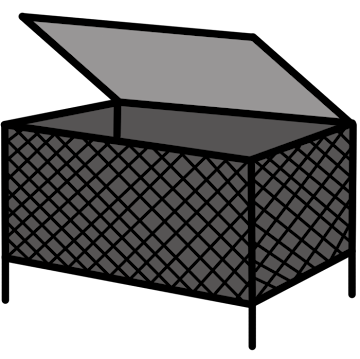
This is a very simple rectangular rabbit hutch design which features an open top, sides and front panel covered by wire mesh. With such an open or ventilated rabbit hutch design, it ensures that your pet always breath the fresh air around its surrounding providing the best comfort for your pet to relax.

Feeding or taking your pet out is done by pulling the bottom edge of the hutch front cover. If you want to the door to remain open, take a long rod then stuck it on either side of the door's one end corner.

Let's proceed on the step-by-step procedure on how to build this simple rectangular rabbit hutch:

1. Build the bottom frame


- It is important that you have to build the bottom frame first. And, you have to make sure that the materials that you are going to use are sturdy enough to provide support for the rabbit hutch that you are going to build because this is the main foundational support.

Improper way of building the bottom frame of the hutch causes it to wiggle.

2. Build the vertical support


- Without somebody to lend a hand, I usually build the vertical support after the bottom frame. There are 5 of these vertical supports wherein I find it best to nail them by flipping the bottom frame up.

3. Build the top frame


- The top frame do have exact similar size as the bottom frame. With the vertical support already in place, you can carefully put it on their top then nail it.

4. Top and both sides wire mesh


- You can now place the wire mesh on the top and both sizes. To prevent the edges of the wire mesh protruding out, I do usually frame them.


5. Front door

- Create a frame of wire mesh that will serve as the front of the nearly completed rectangular hutch.


And finally, attach the hinges and the locks.


Here's how the completed simple rectangular rabbit hutch should look-like:

Read more ...

Build A Rabbit Hutch With PVC Support Frame


It is actually a lot much easier to build a rabbit hutch using PVCs as support frame as compared to woods. Though, it will cost you more but the output of your work will be of good quality and design. If you really want to build a sturdy rabbit hutch then I do suggest using metal pipes instead of PVCs.

What is a PVC pipe?

PVC stands of Poly Vinyl Chloride and it is commonly used for plumbing, electrical cable insulation and many other applications replacing the use of rubbers.

Green PVC Pipe

So let's start.

1. The Prepare All Tools And Materials Required

Materials:

- PVC pipes

- PVC fittings

- PVC cement

- Wire mesh

- Metal roofing

- Hinge (2)

- Screws

-Rivets

Tools:

- Pliers

- Cutter

- Hacksaw

- Rivet gun

- Power drill

2. Cut Your PVC Pipes

You can make some adjustment on the measurements that I used on this guide which depends on the size of the rabbit hutch that you intend to build.

This PVC rabbit hutch design offers your pet a size of 4 ft length x 2 ft width x 3 ft high.

The first step is to cut the following pieces and sizes of PVC pipes;

- Four pieces of 2 ft length PVC pipes.

- Four pieces of 30 inches PVC pipes.

- Four pieces of 4 ft length PVC pipes.

- Four pieces of 6 inches PVC pipes.

3. Assembling The Frames

Take the four pieces of the 2 ft and 30 inches PVC pipes that you cut and assemble two pairs square frame. Use three-way fittings on the two ends which will be the top and four-way fittings on the other two sides which will be the bottom (Make sure to apply PVC cements on the fittings before fitting them together). Refer on the figure below:

Rabbit Hutch Width Frame

These frames will serve as the two sides of the rabbit hutch.

Once you are done, cut a wire-mesh with the size of the frame above. You will need two for the two frames. I find it best to use rivets because it can tightly hold the wire-mesh.

When it's done, connect the four pieces of 6 inches pipes at the free socket of the four-way fittings. It should look like the figure below:

Rabbit Hutch Foot Support

Finally, take the four pieces of the remaining PVC pipes (4 ft length) and connect them horizontally to the remaining open-socket of the pipe-fittings. And just like what you did from the side-frames, cut and cover both the front and back sides of the rabbit hutch.

4. Flooring

It's actually best to use a board of wood for the flooring rather than a wire-mesh because this can hurt their feet. So cut a piece of wooden board that will perfectly fit on the floor.

5. Opening And The Roof Top

The rooftop will be the opening of the rabbit hutch. It's where you can grab your pet out or give them something to eat.

Cut two pieces of 4 ft length PVC pipes and another two pieces of 2 ft length PVC pipes.

Assemble a 4 ft by 2 ft rectangular frame by using an elbow type of coupling.

Take your metal-sheet roofing and cut the same size as the rectangular frame above. When it's done, place the metal-sheet on top of the PVC rectangular frame to be riveted. Use a power drill with an appropriate size of drill-bit for the rivets.

Assuming that you are done, install the two pieces of hinges at the back side of the hutch which are connected to the roof-top and you are done.

PVC Rabbit Hutch

Moreover, I know that there's a lot more improvement into this design so feel free to make the necessary changes.

Have you already built your own rabbit hutch with PVC frame support such as the design discussed on this post? Tell us about it on the Comment Form provided below.
Read more ...

Rabbit Hutches For Sale On Amazon


When you do not have the time to build your own rabbit hutch then you only got two choices. First is to hire a skilled person to construct the hutch for you or buy it in the market.

Hiring a skilled carpenter would be nice because you can give instructions on what do they need to do. They can also make adjustments on the size depending on the place where you intend to situate the hutch. However, this might cost you too much money for their services as compared to just buying a readymade product.

If you have the money that you are willing to spend then you may want to check some of the products on Amazon that I do recommend. And here they are:

1. Extra Large Rabbit Hutch With Attic by TRIXIE Pet Products

- What makes this extra large rabbit hutch by TRIXIE Pet Products very interesting is the type of wood that they used. It is actually made of solid wood which ensures the durability of the hutch.

2. Rabbit Hutch with Sloped Roof

- The manufacturer of Sloped Roof Rabbit hutch is the same as the above, TRIXIE Pet Products. I am not actually endorsing the name of the company but I really do find their products to be the best out there in the market.

Just like the Extra Large Rabbit Hutch With Attic, this one has exactly the same features but it only come in different design.

3. Extra Large Living World Rabbit Hutch

- This is a product of Deluxe Pet Habitat. It's actually a cage perfect for small-sized pets. So beside from a rabbit, you can also keep other pets such as guinea pigs, ferrets, chinchillas and etc...

One of the features that I do like about this hutch is its ventilated design which offers your pet a safe and comfortable place to stay.

4. White Picket Fence Hutch

- A rabbit hutch product by Advantek wherein it is designed for housing at least two rabbit pets. One of its best feature is the hutch's resistant against insects and rot fir lumber.

5. Penthouse Rabbit Hutch

- Another Advantek Rabbit Hutch product with exactly the same feature as the White Picket Fence Hutch above. The only difference between them is their design.

6. Stilt House Rabbit Hutch

- What I like most about purchasing Advantek rabbit hutch products is that they do "free shipping". This Stilt House Rabbit Hutch is a product of Advantek with the same features as the other two products mentioned above.

There are actually more rabbit hutches that are for sale on Amazon. But from the time of this post, these 6 products are the best hutches (based on my opinion) that are available on the market today.
Read more ...

How To Build A Rabbit Hutch For Outside Purposes


Most rabbit hutches are actually designed for outdoor purposes. Thus, if you want to build a rabbit hutch, it must be able to stand through various tough weather conditions.

So how do you build a rabbit hutch suitable for outside purposes?

If you are new or doesn't have any experience in constructing a rabbit hutch, you may want to start from the beginning by reading my post entitled "Introduction On How To Build A Rabbit Hutch". This post discusses a short overview of what materials you need, tools, working area, design, assembly and some add-ons.

The next step is to browse for a good rabbit hutch outdoor design. I do have several designs here that you can choose from. You can find them under the Rabbit Hutch category or simply use the search button above.

Considering that you have now chosen a rabbit hutch design, you need to collect all the necessary materials that you need such as lumbers, wire-mesh and etc... Take note that you have to choose the type of materials that offers the best quality in terms of durability since you are making an outdoor rabbit hutch.

Are you ready?

Before you proceed with the construction, you also need to prepare the tools that you will be using. This has been discussed on this post entitled "Tools Needed For Building A Rabbit Hutch".

Follow all the given instructions carefully especially the sizes from the written guide of the design. If in case that you are building one of the designs that I shared on this blog and there are some instructions that you cannot understand, feel free to contact me and I will explain it to you more clearly.

You may also want to consider making some slight revisions. Here's a topic that I recently posted discussing about the 4 Common Outdoor Rabbit Hutch Design.

predator

Finally, after you have completed your rabbit hutch. The final part that you need to consider is the "Cover". You have to know that the outside environment is full of dangers that can seriously harm your pet. Some of them are coldness, animal predators and everything that you can possibly think that can harm your rabbit.
Read more ...

Rabbit Hutch Building Materials


One of the first basic step on building a rabbit hutch is to collect or purchase the materials that are needed for the construction. The materials that you need actually depends on what kind of rabbit hutch that you are going to build. On this post, we will discuss the building materials for a standard wooden rabbit hutch.

So what are these building materials?

1. Lumber

Lumber is used for constructing the frame of your rabbit hutch. It provides the main support fortifying the hutch to be more sturdy ensuring that it will stand through various extreme weather conditions.

When buying lumber, they do come in different sizes such as the 2 x 2 inches and the 2 x 4 inches. If you are building a large outdoor rabbit hutch, it is best recommended to use the 2 x 4 inches lumber size.

lumber

It is also important to buy hard type of lumber. I know that they can be hard to cut with a saw or embed nails but such kind of lumber is the best for constructing a rabbit hutch.

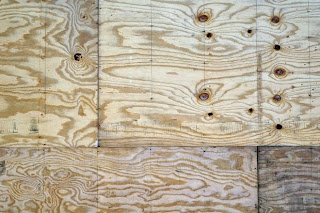
2. Plywood

plywood

A plywood is used for covering the back portion of the rabbit hutch which serves as the wall. It can also be used as a flooring (or roofing if the hutch you are going make is to be kept inside a certain shelter). I do recommend buying those plywood with thickness of around 2 to 3 inches.

3. Wire Mesh or Screen

You will be needing some wire mesh to be used as a covering for the front and sides of the hutch. Handle it carefully because the edges can be sharp enough to cut or penetrate through your skin.

wire mesh

Wire mesh comes in many different forms which can be made out of metal or plastic materials. I do not recommend using wire mesh made out of plastic because your rabbit can easily rip its way out with its sharp teeth. As for metallic wire meshes, they do rust through time but this can be prevented by applying the right coating-paint.

4. Roofing Material

Roofing is required for outdoor rabbit hutch but if you intend on keeping your hutch inside another shelter such as an empty garage then roofing will be just optional.

To make the hutch last longer, it is best to choose a roofing material made of metal.

5. Drop Tray

You can simply buy a ready-made drop tray. It is actually mandatory to have a drop tray beneath a rabbit hutch as it makes cleaning a lot much easier.

Are there any building materials that I had missed? If you think there are, then add it on the Comment Form provided below.
Read more ...

Working Area To Build A Rabbit Hutch


A good working area to build a rabbit hutch is another important factor. Can you just imagine yourself working at a very constricted area?

You have to know that working at a very constricted area could result into accidents. This is the reason why you need to find an area that is good enough to setup all your materials and to construct a rabbit hutch.

Some Good Places To Construct Your Rabbit Hutch

Outside or In your Empty Backyard

backyard

A backyard do often have a wide space available. The reason why I do enjoy working outside is being able to breathe fresh air. However, there are several dangers when working outdoors. One of this danger is when there are children playing around. What if one of them went into your working area unnoticed then grab something such as your cutting tool?

Another reason why working outdoor is not a good idea is your weather condition. What if after setting all your materials then suddenly the rain started to fall?

Anyway, such incidents can be avoided provided that you know what you are going to do to prevent them.

Old Garage or Storage Room

garage

An old garage and storage room with enough extra space is my suggested working area. It is because they do provide shelter allowing you to work even during extreme weather condition. Locking your garage or storage room also ensures that nobody will get inside to mess with your work without your consent.

Abandoned Places

abandoned place

If there are some abandoned places around such as an old school or terminal that is no longer being used, then they are good working area to build a rabbit hutch. But before you start, you might need to ask some permission to the land owner or care taker if you can work on your project in their property.

Those are just a few places to work on building your own rabbit hutch. If you are curious to ask about my working station, I do have my own Carpentry Shop for all of my wood working activities.
Read more ...

Tools Needed For Building A Rabbit Hutch


In order for you to be able to build a perfect rabbit hutch, you need tools that can help you out cut and tighten things out.

So what are these tools that you need?

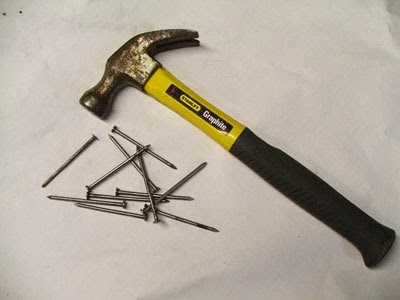
1. Hammer or Nail Gun

There are many different types of hammer but I do advise you to use the standard type which is known as the "Claw Hammer". It's called Claw hammer because of the curved part at the opposite side of the hammer's head which is used for drawing or pulling out nails.

Take note that using a hammer can cause serious injury where in most incidents, individuals often hit their fingers that holds the nail. Thus, it is best advised to use a hammer only if you know how to handle it pretty well.

claw hammer

An alternative tool to a hammer is the "Nail Gun". Actually, it has already replaced hammer in many ways. Using it is far too easy, all you have to do is to point the barrel into the spot that needs to be nailed. And with proper alignment, pull the trigger and the nail will be driven with less effort from your part.

2. Hand Saw

Just like hammers, hand saws do have different types which serve different specific purposes. Check Wikipedia for the list of these saws and for their specific uses:

http://en.wikipedia.org/wiki/Saw

hand saw

Regardless of their differences, saws do have only one purpose which is to cut. On this case, you will be needing a hand saw for cutting woods.

3. Wire Cutter and Gloves

You will be needing a wire cutter for cutting the wire mesh.

wire cutter

It is important that you have to wear gloves because any sharp protruding wires can accidentally scratch or penetrate your hands.

4. Metal File

A metal file is used to flatten any metallic rough or sharp surfaces and edges.

Look for any sharp metallic surfaces and apply the metal file. This is to ensure that either you or your rabbit pet won't get accidentally hurt from them.

5. Measuring Tape

Always use a measuring tape when cutting a certain specific length of the material that you are going to use.

measuring tape

6. Pencil

Use a pencil for marking the edge of the material that needs to be cut or something that needs some adjustment.

ordinary pencil

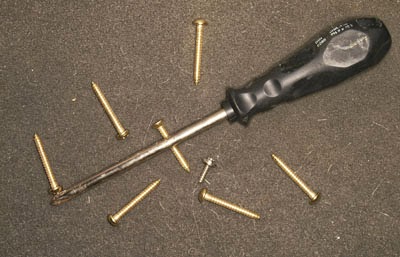
7. Screw Driver

Most experts claim that screws hold better than the nails. Thus, you should use screws on the part of the hutch that provides support.

And of course, the tool for screwing a screw in is called the "Screw Driver".

screw driver

There might be some other tools that I had missed here so if you have something in mind that you would like to add, then please use the Comment Form provided below.
Read more ...

Most Important Thing To Consider Before Building A Rabbit Hutch


Before you start purchasing all the necessary materials in building your first rabbit hutch, you have to know that there is this one important thing that you always need to consider.

So what is this most important thing?

This is the "number of your pets" that you intend to house inside the rabbit hutch that you are going to build.

The most common mistake by people who build their own rabbit hutches is that they simply follow designs shared by other individuals. They make use of the same exact measurements without making any adjustment of their own.

So what if you have three rabbit pets and you end up building a rabbit hutch with a size that is only good for two?

You have to know that you must provide your rabbit pets enough room to move around and stretch themselves out.

How To Determine The Size Of A Suitable Rabbit Hutch?


If you are going to look around the web, there are some sources wherein the authors are giving out some of their suggested measurements. But as for my suggestion, the best method is to measure your own pet. Measure it's width, length and height. With these measurements, you will at least have some idea on the dimensions of the rabbit hutch that you are going to build.

Width

When your rabbit is relaxing, it often stretches itself on the floor. Thus, take your measurement starting from its front paw down to the end of its back foot.

With enough space of a rabbit hutch, your pet can fully stretch out when resting and even roll around.

Length

Most suggested length for a rabbit hutch is that, your pet must be able to hop at least 3 to 4 times before bumping its nose on the other end of the wall.

Height

Rabbits do often love to stand up on their back legs. This is the reason why the rabbit hutch that you need to build must be tall enough to provide space. Your pet must be able to stand and jump without hitting the ceiling with its head.

big old rabbit

Aside from the current measurement of your pet, you have to consider the type of its breed. Depending on the type of breed of your pet, some rabbits can actually grow large. If you didn't consider this part and your rabbit had grown large enough, you will have to build another bigger sized rabbit hutch.
Read more ...

4 Common Outdoor Rabbit Hutch Design


There are actually 4 common designs when building a rabbit hutch roof top in which we are going to tackle each of them on this discussion. But first, why is it important to choose the appropriate design for your rabbit hutch?

The design of a rabbit hutch's roof top is very important because it offers safety, protection and comfort for your pet.

Safety

You have to know that the roof top is what provides covering for your pet from different changes of weather condition. It ensures the safety of your rabbit inside its hutch during summer, winter or rainy season.

Protection

A certain animal predator who want to eat your rabbit will most likely going to try every possibly options to get inside your pet's hutch and this includes the roof top. Poorly designed roof tops could end up easily broken by a large creature with powerful paw such as the fox.

Comfort

With the right roof top design, your pet will experience great comfort. A good example will be on rainy season. A well designed roof top doesn't have any leaks ensuring that your pet won't get wet or have a bad experience of being sprinkled with water from the rain.

Here are the 4 common rabbit hutch roof top designs:

1. Flat Roof Top Design

As shown on the image below, the roof top is horizontally flat. This design is best recommended if you intend on placing your rabbit hutch under another shelter such as your old unused garage.

Flat Roof Top

2. Slanted Roof Top Design

The roof is designed in which it is positioned slightly diagonal with an angle (inside) of around 30 degrees. Check the image below for illustration.

Slanted Roof Top

3. A Type Roof Top

It's called A-Type because the roof top design is similar to the shape of the letter "A". This design is best suitable on places that experiences rain and winter seasons.

A Type Roof Top

4. Slanted Roof Top On Both Sides

This roof top design is very similar to the A Type but the only difference is that, the surface (inside) angles on each side falls between 20 to 30 degrees.

Both Sides Slanted

For this kind of design, it is best suited on places that do often experience rain falls.
Read more ...

Rabbits - Best Pet to Keep Inside your Homes


Rabbits are one of the best pet that can be either kept inside or outside your house. For those who seriously love their bunnies, keeping them indoors do have great benefit. This is because according to the experts, those rabbits kept within the home tend to have a longer period of life-span. If you do, it is estimated that the life expectancy of your pet goes from 10 to 16 years.

With that range of life expectancy for a rabbit pet, it is very important that you have the full commitment in owning this kind of adorable pet. You have to know that taking good care of rabbit/s is not an easy task. They actually need so much care just the way how you treat your dog, cat or any other pets that you own.

Rabbit House Pet

For those who stays or live on apartments, owning a rabbit is just the perfect pet for you. It’s because they are the type of animals that stays silent unlike dogs that suddenly barks or cats that roams around the kitchen during the night.

Speaking about their characteristic of being a silent type of an animal, it doesn't mean that they don’t want to be disturbed. It’s actually their nature to be scared to almost anyone bigger than their own size which can only be tamed by interacting with your pet at most often times. So its best suggested that you are to give your pet some time to play with.

The Worst Day of a Rabbit’s Life


Easter holiday is represented by rabbits wherein parents tend to give them as presents for their children. What most actually doesn't know is that this particular holiday is the worst day for these animals.

Why?

When they are given as presents to an incompetent care-taker or owner, they end up giving up on their pet wherein they are either sent back or tossed out of the house thinking that they can survive on their own at the jungle. The first option is more favorable than the second since domesticated bunnies doesn't know how to survive on their own in the wilderness of the jungle.

Therefore, before you even intend to have a rabbit as your pet make sure that you are ready to take the full responsibility as the owner. If you are giving it away as present to somebody whom you know, make sure that he or she is willing to own it as his or her pet.
Read more ...

Free Blueprint Plans and Designs


On this page lists several blueprints plans and designs that you may choose to follow in your project of building your own Rabbit Hutch. If you have some problem interpreting the blueprint diagram or any related issues that you would like to clarify then please don’t hesitate to contact me. Suggestions for the improvement of the designs are also appreciated which can be discussed at the comment form below.

Here’s a simple blueprint design of an Indoor Rabbit Hutch. It’s actually a small-sized cage but you can scale-up the given dimensions to make it bigger in size.


Side and Rear View

Top and Front View

You can also build a type of hutch wherein half is covered thoroughly with a steel or wire mesh as shown on the figure below.


More designs will be added soon...
Read more ...

Indoor and Outdoor Rabbit Hutch Cover Design Plans


Your cover design plan for either Indoor or Outdoor Rabbit Hutch depends on the three following aspects;

1. Size of the Rabbit Hutch
2. Location
3. Budget

Let’s have a thorough discussion on each of these three aspects to have a better understanding before you even try to start sketching your own design. For complete beginners, you may want to read the introductory part on how to build a rabbit hutch.

Size of the Rabbit Hutch

Grab a measuring tool and go to the spot where you are planning to setup your Rabbit Hutch. Measure an estimated Length, Width and Height of your Rabbit Hutch but if you are not sure about your measurement then providing an allowance is advised. 

Having an excess measurement is better than having lesser sizes because you have chances to cut and re-size your construction materials to fit them into their intended purposes.

As for the height, it is recommended that you should make them tall or at the level that is not too close to the ground. Why?

When your design is too close to the ground, it requires excessive period of bending particularly when trying to clean the hutch. Another similar disadvantage is when taking your pet in and out of the cage. Apart from the bending problem is when you are living at a place affected by winter season, cages that are designed with a bottom near the ground can be unhealthy for your pets.

Now, a plan for the covering design depends whether your rabbit hutch is to be an indoor or outdoor type of cage. For indoor types, proper coverings should be focused on the walls. Actually, some designs are completely made out of wire or steel mesh.

Cover Design Plans is a challenge when it comes to building outdoor hutches since the main purpose is the security of your pet. If you are at the part of the country that often experience rainy days then you should make a roof-top design wide enough to protect the cage from getting wet or at least prevent your pet from getting wet.

Other than the roof-top, you should make a room that is entirely covered for them to huddle. This will also allow your pets to hide themselves from the predators providing them the ease of being safe and unreachable from their hutch.

Location

If you are trying to design a rabbit hutch for indoor purposes or at a location that is already well-covered with a roof-top then you may just simply replace all covering materials with a wire-mesh for your pet to have a better exposure. For outdoor cages, the best place for setup should be on flat areas.

Outdoor Rabbit Hutch

Cost or Budget

Reducing the cost on building a rabbit hutch can be done by using recycled materials. Always try to search for recycled materials that can be used as substitute before you intend to buy them from the shop.

eBay Rabbit Hutch for Sale


The biggest online market today that caters into a wide range of product is eBay. Browsing all their available products that sells well-made rabbit hutches leads you with an endless option of what to choose. However, the cost of buying a well-made rabbit hutch comes with an expensive cost even when they say that their price is cheap but the cost of shipping will burn your pocket.

Anyway, if you do have the money or you just don’t have the skill or time to make your own cage for your pet then buying it is your only choice.

The 3 type of rabbit hutch products for sale on the market;

1. Cages made out of Plastic Materials
2. Built with woods and wire-mesh
3. Steel Cage

Most importantly, you always have to consider the size which depends on the number of pets that you have. Of course, you may buy the small size if you only have just one rabbit but for more than two it is best suggested that you have to buy the largest size that you can afford.

Free DIY Rabbit Hutch Blueprints


If you’ve got at least some basic construction skill and you do have some time to spend at making your own pet-cage but you do not have any idea on how to start then you are at the right place. This site offers you several DIY (Do-it-yourself) design or blueprints that are easy to follow wherein it is the only method of having a free rabbit hutch of your own.

You can checkout the Blueprints/Design available at the right side-bar of this blog.
Read more ...

How Do You Encourage your Bunny to Eat Hays?


The only possible reason why a bunny doesn't want to eat hays are due to the other tasty type of foods that are being given. Some of these foods can be pellets, fruits and other sorts of 'treats'. Once they got themselves completely addicted into those treats, it would be pretty hard to encourage them to eat hays.

You have to know that when your pet does not eat hays, its health will deteriorate which will soon lead into some serious health issues. Major factors involves dental disease and illnesses related to intestinal problems. Thus, you have to exert some effort to encourage your pet to eat more hays.

Here are some easy tips on how you can encourage your bunny to eat hays:

1. Minimize the treats that you are serving to your bunny

Treats can be in the form of pellets, fruits and cookies. If you are feeding your pet with too much treats then this can ruin its appetite to eat hays and grasses. Its like letting a little child having to choose between deserts and vegetables.

2. Serve your pet the best and good quality of hays

You have to know that there are different varieties of hays that they also vary in flavors. So to find the best hay that your rabbit loves to eat, you have to perform a test by buying or acquiring small quantities of hays that are available in your area. Now feed your rabbit with each type of hay then observe the best type of hay that your rabbit best enjoyed eating.

If you are going to buy hays, make sure that they are of good quality. And you should store them well.

3. Experiment on how your rabbit would prefer to eat hays

Rabbits can be different in terms of their eating habit. Some bunnies best enjoyed eating on their concealed room. Others would prefer to eat hays if you left them at all times. So you may need to conduct your own experiment to discover their most comfortable way of eating habits.

4. Incorporating hays into your pet's toys and games

There are some bunnies that do not think of hays as food wherein they simply left it untouched. Thus, you need to teach and encourage your pet that hays is edible by incorporating it from its own toys and games. As an example, you can block the door of your pet's compartment with hays. So in order for your bunny to get in, it needs to clear the hays by biting and chewing them off.

Bunny Toy

5. Add some mixtures of dry food

Try to add small quantities of enticing foods into the hays. What you have to do is to thoroughly mix them into the hays. So when your rabbit digs through the hays to find them, your bunny might accidentally eat some of the hays making it realize that the hays taste quite good.
Read more ...

Unlimited Supply of Hays and Grasses


Before you intend to own a rabbit pet, the first and most important step that you need to have is an unlimited source of food for your bunny to eat. And they should be in the form of hays or grasses. If you do own a farm or a garden on your backyard then see to it that the hays or grasses can sustain the number of pets that you would like to own.

Hays and grasses are the major type of foods that are needed by a bunny on its daily diet. So if you are thinking of buying bags of pellets to feed on your pet for the rest of its entire life then that would be a big mistake. 

Pellets are considered as 'treats' which means that it is being feed into your pet with a handful amounts once a day. Most commercial pellets also doesn't have enough fiber that can keep your bunny's intestines in good working condition.

Rabbit On Grass

Producing your Own Hays and Grasses

If you have an extra space on your backyard then you may want to consider planting hays and grasses. Its too easy to plant them that it requires no challenge at all because once you planted them, they can grow on their own increasing and spreading their numbers in just a short period of time.

What if you don't have any extra space on your backyard?

Your last option is to visit your local pet shop or farm and ask them if they are selling good quality of hays or grasses. You can also check on the internet if there are some online seller that can deliver the hays that you ordered right in front of your door-steps.

Types of Hays and Grasses


Here is the list of common hays and grasses that are being feed into rabbit pets:

1. Alfalfa

Alfalfa can be easily distinguished by its stalks, brittle and flat green-brown leaves.

2. Timothy Hay

Timothy Hay has a combination of soft green, grey and brown colors. Its leaves are fairly wide and it looks like a dried blade of grass.

3. Oat Hay

Oat hays has a large hallow cylindrical stalks with flat blades. Its colors are golden yellow to light green.

4. Bermuda Grass

Bermuda grass has a flexible stalk with light green and grey colors.

5. Orchard Grass

Orchard grass has some slight similarity of appearance to that of the Timothy.
Read more ...

How to build a Rabbit Hutch @2011-2018.